
High-Risk Pregnancy Specialist in Bhopal
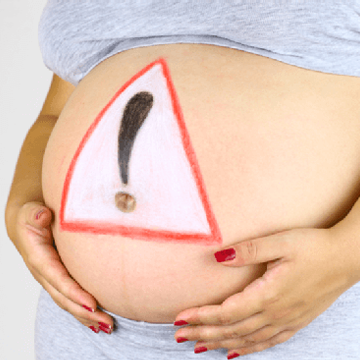
Pregnancy is a life-changing journey filled with excitement, hope, and anticipation. While most pregnancies progress normally, some require additional medical attention because of conditions that may affect the mother, the baby, or both. These are known as high-risk pregnancies.
Being diagnosed with a high-risk pregnancy does not mean something is wrong with your baby or that complications are inevitable. It simply means that you and your baby need closer monitoring and specialized care to ensure the safest possible outcome.
If you are looking for an experienced High-Risk Pregnancy Specialist in Bhopal, Dr. Smita Dhengle, an FMF Certified Fetal Medicine Specialist, provides comprehensive prenatal care using advanced fetal ultrasound, prenatal screening, and evidence-based maternal-fetal medicine practices.
What is a High-Risk Pregnancy?
A pregnancy is considered high-risk when there is an increased chance of complications affecting the mother, the baby, or both during pregnancy, childbirth, or after delivery.
Many women with high-risk pregnancies go on to deliver healthy babies. The key is early diagnosis, regular monitoring, and timely medical intervention.
A fetal medicine specialist works closely with obstetricians to identify potential concerns early and create a personalized care plan throughout the pregnancy.
Who is More Likely to Have a High-Risk Pregnancy?
Several factors can increase the likelihood of a high-risk pregnancy. These include:
Maternal Factors
- Age below 18 years or above 35 years
- Obesity or being significantly underweight
- High blood pressure
- Diabetes (before or during pregnancy)
- Thyroid disorders
- Kidney disease
- Heart disease
- Autoimmune disorders
Pregnancy-Related Factors
- Twin or multiple pregnancy
- IVF pregnancy
- Previous miscarriage
- Previous preterm delivery
- Previous cesarean section with complications
- Placental abnormalities
- Excess or reduced amniotic fluid
Fetal Factors
- Suspected birth defects
- Slow fetal growth (Fetal Growth Restriction)
- Genetic abnormalities
- Chromosomal conditions
- Congenital heart defects
If any of these conditions apply, consulting a High-Risk Pregnancy Specialist in Bhopal can help ensure appropriate monitoring and care.
Common Signs That Should Never Be Ignored During Pregnancy
Contact your doctor immediately if you experience:
- Heavy vaginal bleeding
- Persistent severe abdominal pain
- Severe headache with blurred vision
- Sudden swelling of the face or hands
- Reduced baby movements
- High fever
- Continuous vomiting
- Leakage of fluid before the due date
- Difficulty breathing
- High blood pressure readings
Prompt medical attention can help prevent complications and improve outcomes for both mother and baby.
Common High-Risk Pregnancy Conditions
Gestational Diabetes
High blood sugar during pregnancy can affect the baby’s growth and increase delivery-related complications. With regular monitoring, dietary guidance, and treatment when needed, many women have healthy pregnancies.
Pregnancy-Induced Hypertension & Preeclampsia
High blood pressure during pregnancy may reduce blood flow to the placenta and increase risks for both mother and baby. Early detection and close monitoring are essential.
Fetal Growth Restriction (FGR)
Sometimes a baby grows more slowly than expected inside the womb. Growth scans and Doppler studies help monitor the baby’s development and determine the safest time for delivery.
Placenta Previa
This occurs when the placenta partially or completely covers the cervix, which may cause bleeding during pregnancy and influence delivery planning.
Twin or Multiple Pregnancy
Carrying twins or higher-order multiples requires more frequent ultrasounds and specialized fetal monitoring to reduce the risk of complications.
Previous Pregnancy Complications
Women with a history of miscarriage, stillbirth, preterm birth, or pregnancy-related complications often benefit from additional fetal surveillance.
How Does a Fetal Medicine Specialist Help?
A fetal medicine specialist focuses on the health of both the mother and the unborn baby, especially when complications are suspected.
Dr. Smita Dhengle provides comprehensive evaluation and monitoring using advanced prenatal diagnostic techniques.
Services Include:
- NT Scan (11–13+6 weeks)
- Early Pregnancy Scan
- Anomaly Scan (Level II Ultrasound)
- Growth Scan
- Doppler Ultrasound
- Cervical Length Assessment
- Fetal Echocardiography
- Twin Pregnancy Assessment
- Prenatal Screening
- Genetic Counselling
- Chorionic Villus Sampling (CVS)
- Amniocentesis
These investigations help identify concerns early so that appropriate treatment and follow-up can be planned.
Why Early Prenatal Screening Matters
One of the most important aspects of high-risk pregnancy care is identifying potential concerns as early as possible.
Modern prenatal screening can help assess the risk of chromosomal abnormalities, structural birth defects, and fetal growth issues before symptoms develop.
Early detection allows parents to:
- Understand the baby’s condition.
- Receive expert counselling.
- Plan further investigations if required.
- Make informed decisions about ongoing pregnancy care.
- Improve pregnancy outcomes through timely management.
Importance of Regular Ultrasound Monitoring
Ultrasound plays a vital role in monitoring high-risk pregnancies. Depending on the stage of pregnancy and the clinical situation, your doctor may recommend different scans.
These scans help evaluate:
- Baby’s growth
- Placental health
- Amniotic fluid levels
- Blood flow through the placenta and fetus
- Structural development
- Fetal heart health
- Overall fetal well-being
Regular ultrasound assessments help ensure that any changes are identified promptly and managed appropriately.
How Can You Reduce Pregnancy Risks?
While not every complication can be prevented, adopting healthy habits can reduce many pregnancy-related risks.
- Attend all antenatal appointments.
- Take prescribed folic acid and supplements.
- Control diabetes and blood pressure.
- Maintain a balanced diet.
- Stay physically active as advised by your doctor.
- Avoid smoking, alcohol, and recreational drugs.
- Report unusual symptoms immediately.
- Follow recommended prenatal screening schedules.
Why Choose Dr. Smita Dhengle?
Choosing the right specialist can make a significant difference in the management of a high-risk pregnancy.
Dr. Smita Dhengle offers:
- FMF Certified expertise in Fetal Medicine
- Advanced prenatal ultrasound evaluation
- Evidence-based pregnancy management
- Personalized care for every pregnancy
- Comprehensive prenatal screening
- Expertise in fetal diagnosis
- Genetic counselling support
- Care for IVF and twin pregnancies
- Compassionate communication and patient education
Every pregnancy is unique, and treatment plans are tailored to the mother’s health, pregnancy history, and the baby’s development.
What makes a pregnancy high-risk?
A pregnancy may be considered high-risk due to maternal health conditions, pregnancy complications, fetal abnormalities, multiple pregnancy, or a history of previous pregnancy complications.
Can a high-risk pregnancy result in a healthy baby?
Yes. Many women with high-risk pregnancies deliver healthy babies with proper medical care, regular monitoring, and timely interventions.
When should I consult a fetal medicine specialist?
Your obstetrician may recommend consultation if you have medical conditions, abnormal screening results, recurrent pregnancy loss, twin pregnancy, or concerns about fetal growth or development.
Are additional scans necessary in a high-risk pregnancy?
Depending on your condition, your doctor may recommend NT Scan, Anomaly Scan, Growth Scan, Doppler Ultrasound, or Fetal Echocardiography to monitor your baby’s health.
Is every woman above 35 considered high-risk?
Women aged 35 years or older have a higher risk of certain pregnancy complications and chromosomal abnormalities, but many have healthy pregnancies with appropriate prenatal care.
Conclusion
A high-risk pregnancy requires specialized care, but it does not mean you cannot have a healthy pregnancy and a healthy baby. Early diagnosis, regular prenatal check-ups, advanced fetal imaging, and expert guidance play a crucial role in achieving the best possible outcomes.
If you are searching for a High-Risk Pregnancy Specialist in Bhopal, consult Dr. Smita Dhengle, an FMF Certified Fetal Medicine Specialist dedicated to providing advanced prenatal screening, fetal assessment, and personalized pregnancy care. With timely evaluation and evidence-based management, you can approach your pregnancy with greater confidence and reassurance.
Book Your Consultation
If you have been advised additional monitoring, have a medical condition affecting pregnancy, or simply want expert fetal medicine care, schedule a consultation with Dr. Smita Dhengle. Early assessment and regular follow-up can help ensure the best care for both mother and baby.